
Australia Tests a Hard Ban on Social Media for Children. The World Watches, Kids Bypass It


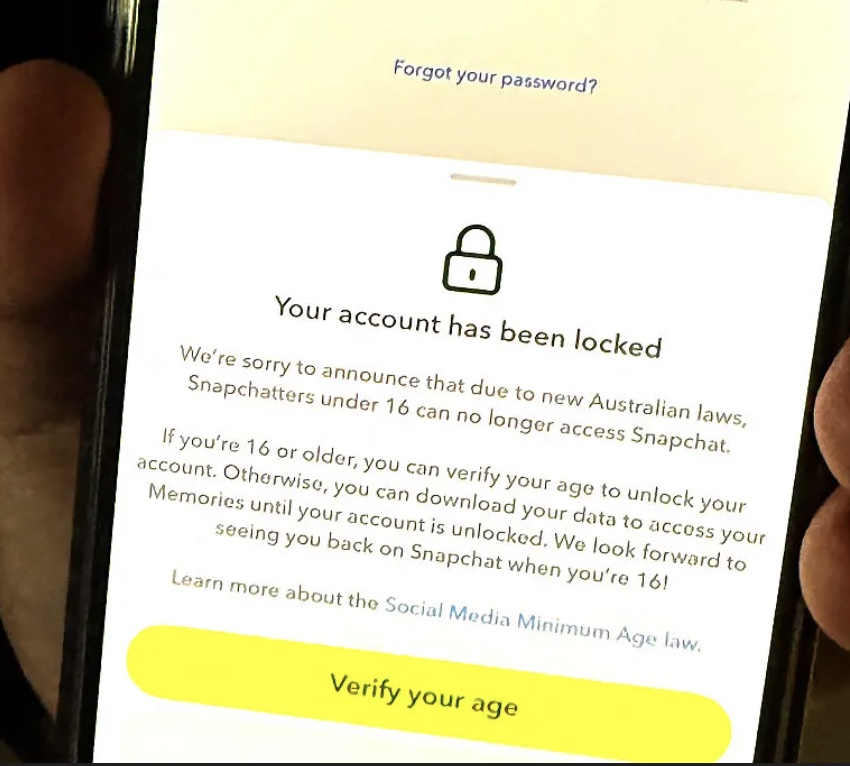
Australia has become the first country in the world to introduce a nationwide ban on social media use for people under the age of 16. As the new rules came into force in December, tens of thousands of teenagers learned about them in the least subtle way possible — by suddenly losing access to their accounts.
Under the new law, responsibility lies with the platforms, not with parents or children. Companies such as Meta, TikTok and Google are required to take “reasonable steps” to ensure that minors do not hold accounts on their services. Failure to comply can result in fines of up to nearly AUD 50 million.
An Ambitious Goal, an Uncertain Execution
The government justifies the ban as a necessary measure to protect children from:
- addictive recommendation algorithms,
- cyberbullying,
- sexual and violent content,
- and the negative impact of social media on mental health.
Prime Minister Anthony Albanese described the move as historic and as the beginning of a global shift in how children are protected online. Australia, he argues, intends to lead by example — much as it previously did with plain cigarette packaging and gun law reform.
At the same time, officials openly acknowledge that the law will not be perfect, and that its real effectiveness will only become clear over time.
Different Platforms, Different Reactions
The first days of enforcement revealed a fragmented rollout. Some apps immediately began blocking accounts and demanding age verification, while others appeared largely unchanged. In several cases, adults were incorrectly flagged as minors.
The verification methods themselves have raised serious concerns:
- uploading scans of identity documents,
- submitting selfies or short videos,
- confirming age via a payment card,
- relying on third-party verification services.
Privacy experts warn that asking platforms — many with a history of data breaches — to collect such sensitive information is a risky strategy.
Children Have Already Found Workarounds
While some teenagers genuinely lost access to their profiles, many quickly discovered ways around the restrictions — from creating new accounts to using VPN services. In practice, this means that the most determined users remain online, while the ban primarily affects those who follow the rules.
There are also growing fears that children may migrate to lesser-known, poorly moderated platforms that have little incentive to comply with Australian law.
Parents in Favor, Children Opposed
Public opinion surveys show strong support for the ban among adults, particularly parents who hope it will reduce cyberbullying and social pressure. Young people, however, see the issue very differently.
Teenagers argue that social media is:
- their primary means of communication,
- essential for maintaining long-distance friendships,
- and a crucial source of support for neurodivergent individuals, LGBTQ+ youth, and those living in rural areas.
Some mental health professionals warn that a blanket ban risks isolating young people rather than teaching them how to navigate the internet safely.
Ban or Education?
Critics argue that the harms of the internet cannot be solved by simply “switching it off” for children. Instead, they call for:
- stronger digital education,
- effective content moderation,
- improved parental control tools,
- and greater accountability for algorithms.
Regulators themselves describe the law as a long-term experiment. Australia hopes others will follow its lead — even as early signs show how difficult it is to turn good intentions into effective digital policy.
