
Instagram Data Leak: 17.5 Million Accounts Exposed
A major Instagram data breach has exposed the personal information of 17.5 million users. Here’s what we know, why it matters, and how you can check if your data was affected.


In recent days, reports have surfaced about one of the largest Instagram-related data leaks to date. According to Malwarebytes, sensitive information belonging to approximately 17.5 million users has been stolen and is already circulating on the dark web. The exposed data reportedly includes not only usernames, but also email addresses, phone numbers, and in some cases even physical addresses.
The scale of this incident highlights how serious the problem of data security remains, especially on social media platforms that billions of people use every day.
What data was exposed?
Based on currently available information, the leaked data may include:
– usernames
– email addresses
– phone numbers
– contact details
– in some cases, physical addresses
This is not random or incomplete information. These are full profiles that allow cybercriminals to build highly convincing scams.
Cybercriminals stole the sensitive information of 17.5 million Instagram accounts, including usernames, physical addresses, phone numbers, email addresses, and more. pic.twitter.com/LXvjjQ5VXL
— Malwarebytes (@Malwarebytes) January 9, 2026
Why is this leak so dangerous?
What makes this breach particularly dangerous is the level of detail involved. Attackers no longer have to rely on generic, mass phishing messages. With access to real personal data, they can craft highly personalized messages, impersonate Instagram, trusted brands, or even specific individuals.
Some users have already reported receiving legitimate-looking password reset notifications from Instagram. This creates confusion. People can no longer easily tell which messages are real and which are fake. This is the perfect environment for phishing attacks, where the goal is to steal login credentials or gain access to other services.
What happens to leaked data?
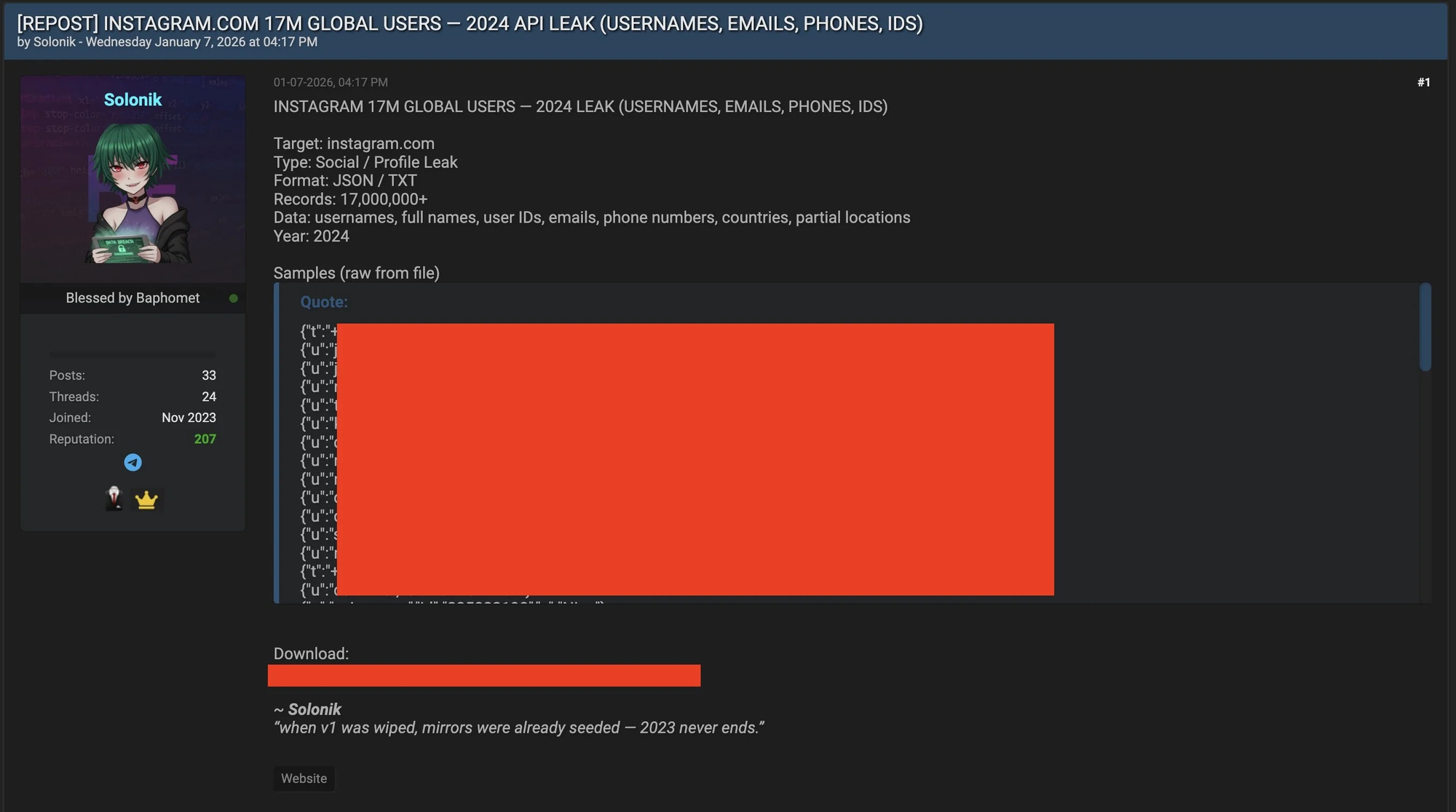
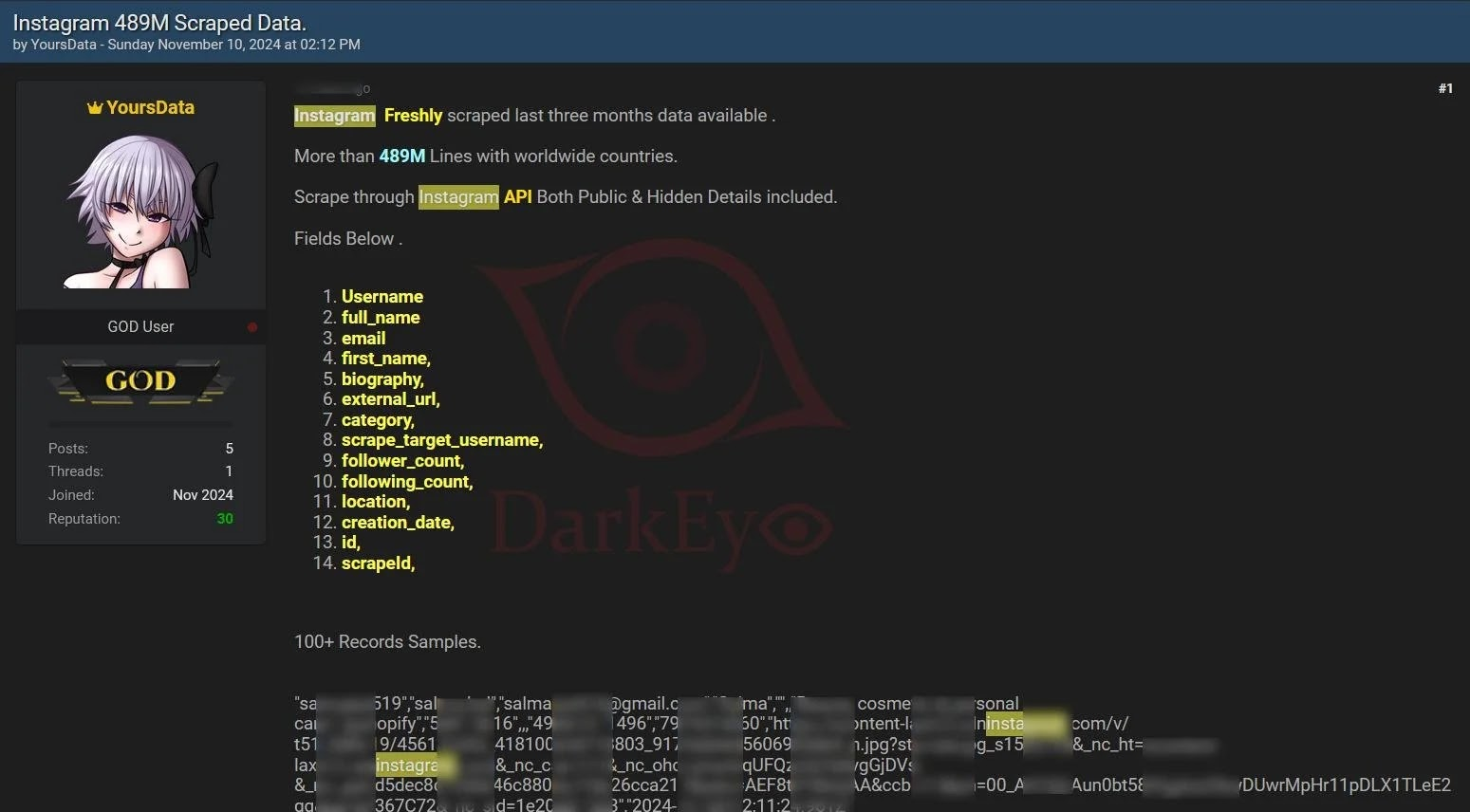
According to Malwarebytes, the stolen information is already being sold on the dark web. For cybercriminals, this type of data has real value. It can be used for:
– account takeovers
– identity theft
– creating fake profiles
– financial scams
– large-scale social engineering campaigns
The more information an attacker has, the easier it becomes to gain the victim’s trust.
The domino effect of a single breach
Many people reuse the same password across multiple services. This means that once one account is compromised, attackers may attempt to access email inboxes, online stores, banking apps, and other social media platforms.
A single leak often triggers a chain reaction of security problems.
How to check if your data was exposed
If you are concerned that your personal information may have been affected by the Instagram breach, there is a way to check your exposure.
Malwarebytes has released a free tool called the Digital Footprint Portal, which allows users to scan whether their email address appears in known data leaks. By entering the email address you used to register with Instagram, the system checks multiple sources and reports your level of online exposure.
You can access the tool here:

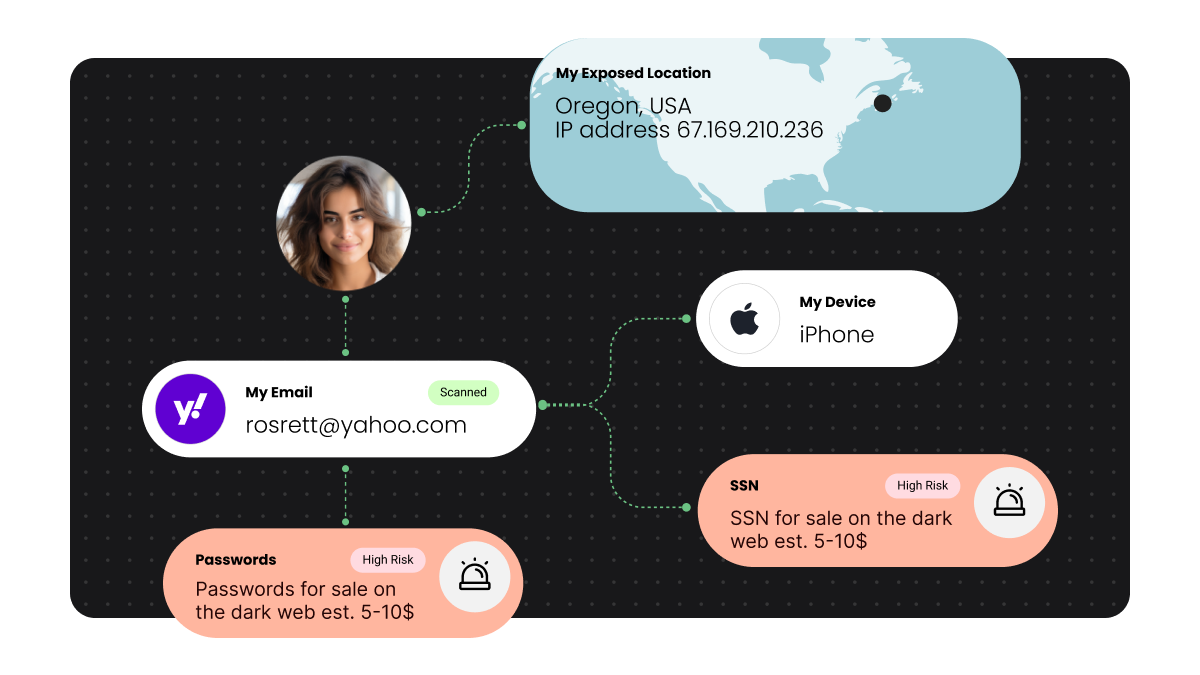
This scan does not guarantee complete accuracy, but it can give you a clearer picture of whether your data may already be circulating online.
At the same time, it is important to be extremely cautious about any emails, SMS messages, or direct messages claiming to come from Instagram. After large breaches, attackers often launch phishing campaigns designed to look legitimate. These messages may warn you about suspicious activity or urge you to reset your password, leading you to fake login pages.
If you want to secure your account, do not click on any links from such messages. Instead, open the Instagram app or manually type the official website address into your browser. From there, you can reset your password and review your security settings.
If you believe your data may have been exposed, create a new password that is long, unique, and not used anywhere else. Enabling two-factor authentication adds an additional layer of protection and significantly reduces the risk of account takeover.
How to protect yourself
In situations like this, caution is critical.
Do not click on links sent via email, SMS, or private messages, even if they look official. The safest option is to manually open Instagram in your browser or app and check any notifications there.
If you believe your data may have been exposed, you should:
– change your password immediately
– use a strong, long, and unique password
– enable two-factor authentication
– review your login activity
What this breach says about digital privacy
This incident shows how fragile our digital privacy really is. Social media platforms have become a central part of daily life, but they are also prime targets for cybercriminals.
The leak of 17.5 million accounts is not just an Instagram problem. It is a reminder that personal data has become a form of currency, and once it is lost, the consequences can be serious.
Sources:
Instagram Data Leak Exposes Sensitive Info of 17.5M Accounts
by u/pheexio in technology